Wormwood: An Ancient Herb With a Long History and Modern Interest
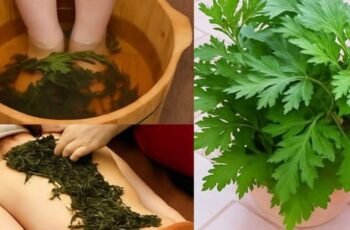
For centuries, herbal traditions across Europe, Asia, and North Africa have valued wormwood for its distinctive bitter flavor and potential wellness properties. Known scientifically as Artemisia absinthium, this silvery-green herb belongs to the daisy family and has been used in traditional remedies, herbal teas, and the production of absinthe.
While wormwood has a fascinating history, modern research is still exploring many of its traditional uses. Some compounds found in the plant show promising biological activity, but wormwood should be used carefully and not considered a replacement for medical treatment.
What Is Wormwood?
Wormwood is a hardy perennial herb that can grow several feet tall and is recognized by:
- Silvery-gray leaves
- Strong herbal aroma
- Extremely bitter taste
- Small yellow-green flowers
The plant contains several naturally occurring compounds, including:
- Thujone
- Absinthin
- Flavonoids
- Essential oils
These compounds are responsible for wormwood’s characteristic bitterness and many of the effects studied by researchers.
Traditional Uses of Wormwood
Historically, wormwood has been used in herbal practices for a variety of purposes, including:
- Supporting digestion
- Stimulating appetite
- Relieving occasional stomach discomfort
- Traditional parasite remedies
- Supporting menstrual comfort
- Adding flavor to herbal preparations
However, many traditional uses have not been confirmed through large human clinical studies.
Potential Benefits of Wormwood
1. May Support Digestion
Wormwood is considered a bitter herb, and bitter compounds are traditionally believed to stimulate digestive processes.
It may help support:
- Healthy appetite
- Normal digestive enzyme activity
- Bile production
- Occasional bloating and indigestion
Because of its strong effects, wormwood is typically used in small amounts and for limited periods.
2. Traditional Use Against Parasites
The name “wormwood” comes from its historical use against intestinal worms.
Some laboratory studies suggest compounds in wormwood may have antiparasitic properties. However, people with suspected parasitic infections should seek proper medical diagnosis and treatment rather than relying only on herbal remedies.
3. Contains Anti-Inflammatory Compounds
Wormwood contains plant compounds, including flavonoids and essential oils, that have demonstrated anti-inflammatory activity in laboratory research.
Traditional herbal use has included wormwood for:
- Muscle discomfort
- Joint stiffness
- General inflammation
More human research is needed to determine how effective it is for these conditions.
4. May Support Overall Wellness
Some herbal practitioners use wormwood as part of traditional wellness routines, believing it may support:
- Healthy digestion
- Energy levels
- General balance
Scientific evidence for many of these claims remains limited.
5. Potential Liver and Bile Support
Because bitter herbs are traditionally associated with digestive and bile function, wormwood has sometimes been used to support liver-related wellness.
However, claims that wormwood “detoxes” the liver or removes toxins are not supported by strong clinical evidence. The liver naturally performs detoxification functions on its own.
6. Traditional Menstrual Support
Historically, wormwood preparations have been used for menstrual discomfort due to their possible antispasmodic properties.
However, because wormwood may affect uterine activity, it is not recommended during pregnancy.
7. Research Interest in Cancer-Related Compounds
Some compounds related to the Artemisia plant family, including artemisinin, have been studied for potential effects on cancer cells in laboratory settings.
This research is still in early stages, and wormwood is not a cancer treatment or cure.
How to Use Wormwood
Wormwood Tea
A traditional preparation involves:
Ingredients
- 1 teaspoon dried wormwood leaves
- 1 cup hot water
Directions
- Steep the herb for about 5–10 minutes.
- Strain before drinking.
- Because of its strong bitterness, some people combine it with herbs such as mint or add a small amount of honey.
Wormwood tea should generally be consumed only occasionally and for short periods unless advised by a qualified healthcare professional.
Wormwood Essential Oil
Wormwood essential oil is highly concentrated and requires caution.
If used on the skin:
- Always dilute with a carrier oil.
- Perform a small patch test first.
- Avoid using it internally unless specifically directed by a qualified professional.
Safety Information: Important Precautions
Although wormwood has a long history of traditional use, it is not suitable for everyone.
Avoid wormwood if you:
- Are pregnant or breastfeeding
- Have a seizure disorder
- Have liver disease
- Are allergic to plants in the daisy family
- Take medications that may interact with herbal products
High doses or prolonged use may be harmful because of thujone, a compound that can affect the nervous system.
Final Thoughts
Wormwood is a remarkable herb with a centuries-old history and a unique place in traditional herbal medicine. Its bitter compounds, antioxidants, and plant chemicals continue to attract scientific interest.
While wormwood may support digestion and has potential biological benefits, many traditional claims still require more research. Used carefully and responsibly, it can be appreciated as a fascinating botanical—but it should complement, not replace, proven medical care.
Disclaimer: This article is for informational purposes only and is not medical advice. Consult a healthcare professional before using wormwood, especially if you have a health condition, take medication, or are pregnant or breastfeeding.