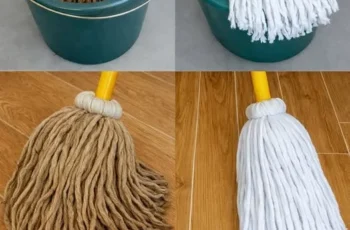
Mop for very dirty floors, we use it at any time of the day to remove any type of dirt, with the addition of hundreds of chemical products.
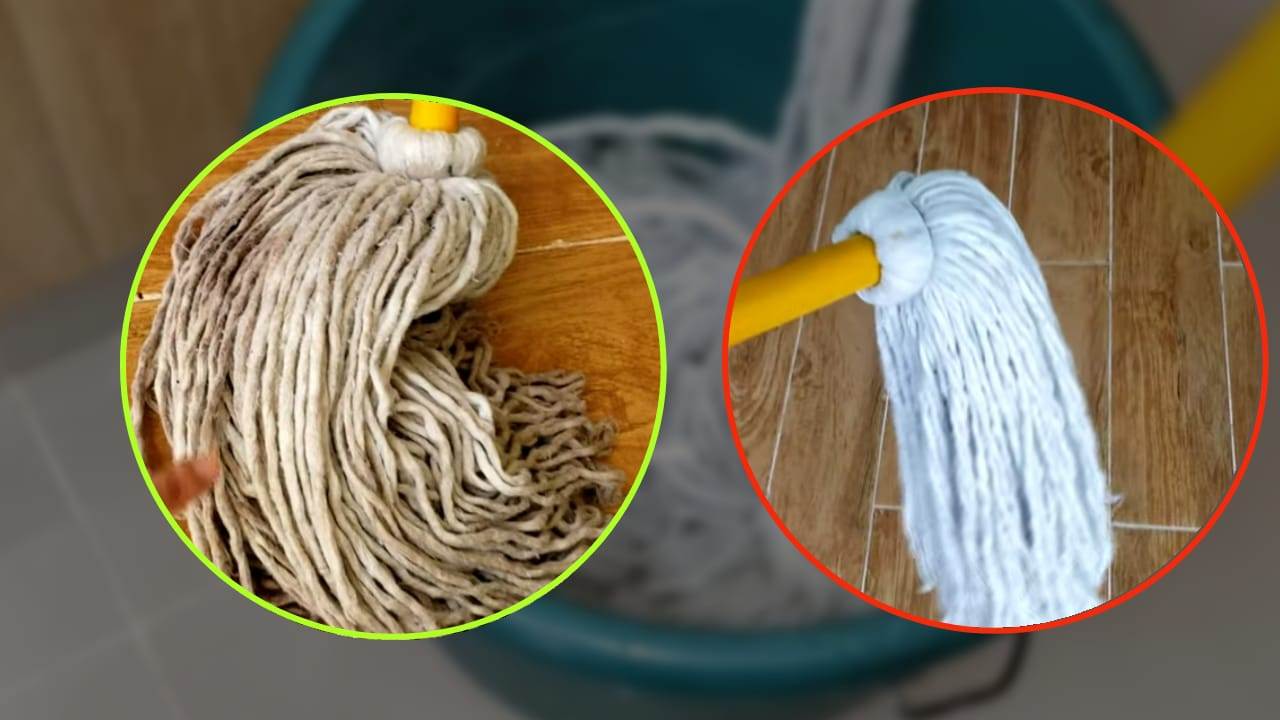
To ensure that you clean your floor thoroughly, effectively disinfecting it and therefore eliminating germs and bacteria, you need to wash the mop every time you use it. Like all the utensils we use at home, the mop also requires attention, hygiene and cleaning. Very comfortable and easy to use, very practical because with one wipe the floors are clean, shiny and dry , but if the mop is not as clean as it should be, the work done is practically null, useless.
Air Fryer Calorie Calculator
Meal Items
Total Calories: 0 kcal
Table of Contents
When to wash and recycle the mop and when to throw it away
Normally, when a mop is dirty, people think about throwing it away and buying another one . This is incorrect, because a mop is only thrown away when it is irreversibly worn out and therefore it is impossible to clean it properly , as is done with rags.
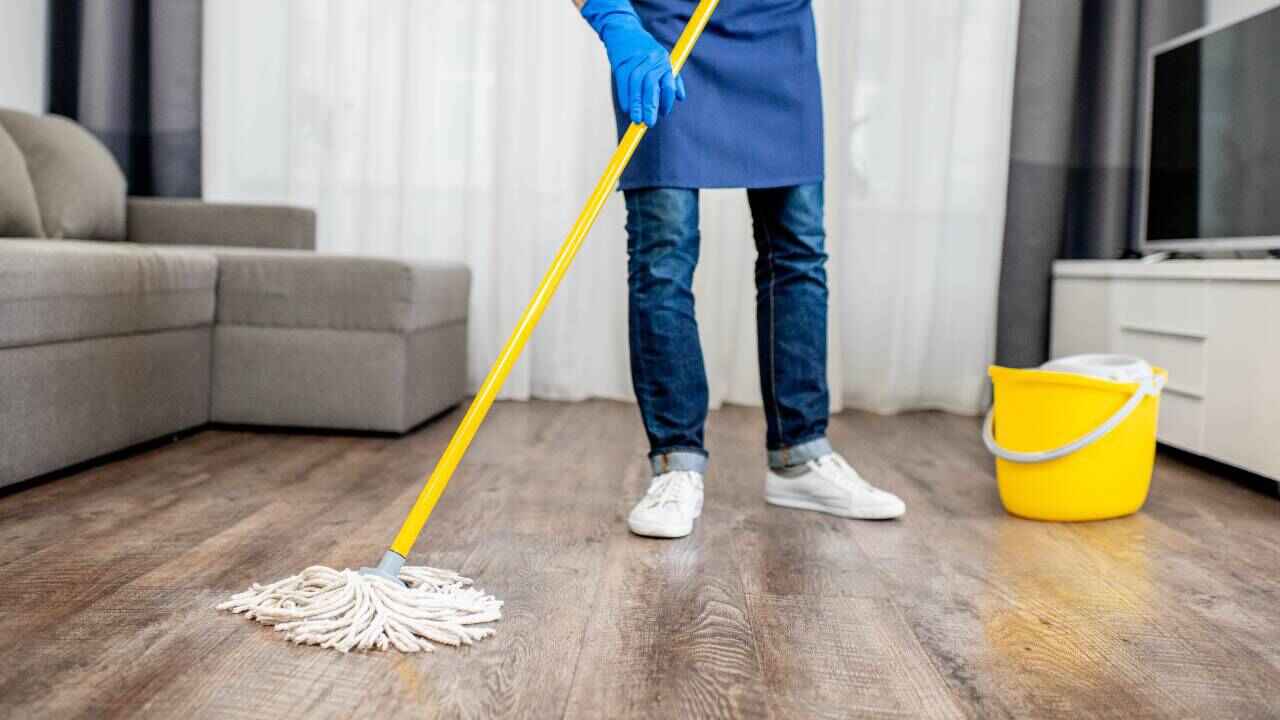
However, when it is still new or almost new, it is enough to clean it in an ecological, economical and natural way with home remedies that date back to ancient times.
An effective remedy for cleaning the mop: baking soda.
The effective remedy for cleaning the mop is the use of baking soda , which is useful at any time and occasion in the kitchen, because it allows you to thoroughly sanitize and clean not only kitchen utensils , but apparently also the utensils used to wash the floor. Simply pour half a glass of baking soda into a bucket of warm water and then soak the rags or mop for a couple of hours. Once the set time has passed, rinse until the water is clear. If you want, you can wash the mop, even in the washing machine, always using baking soda. In this case, the product is placed in the detergent drawer, then the temperature is set to at least 70 degrees and the wash begins.
Vinegar and lemon to eliminate germs, bacteria and bad odors.
Another product that can be used to clean the mop is vinegar, which removes all the dirt and bad odors generated by bacteria . Pour warm water and a cup of vinegar for each liter of water into a container. In this case, the mop or rags are left to soak for half an hour, then wrung out, removing all water and dirt residue.
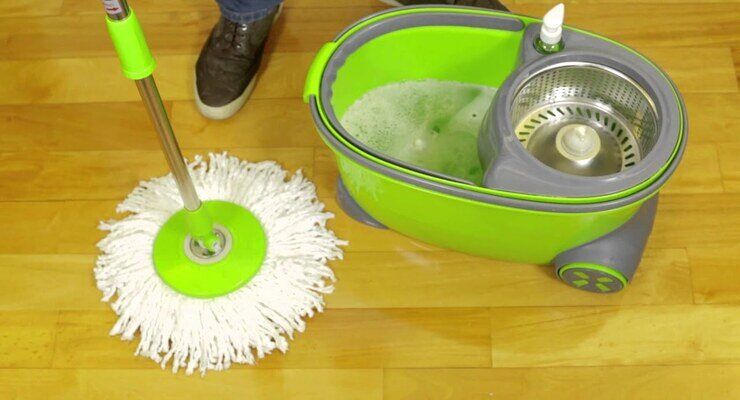
If you want to ensure a better cleaning, add two tablespoons of baking soda to the water. This will maximise the degreasing and sanitising effect. After the lemon, clean the mop well. Fill a container with water, pour the juice of 2 lemons into it, then put the rags and the mop in it and leave it inside for an hour. Then rinse. Lemon is used not only to remove dirt, germs and bacteria but also to combat bad odours.
Water, ammonia and tea tree oil, the most suitable solution
Water and ammonia are then used as well, a unique solution that is effective in washing the mop when it is excessively dirty. Very little is needed to make the mop look like new again . In this case, it is important to rinse it well to remove any traces of ammonia and then before storing the mop make sure it is completely dry. If you store it while it is still wet, you run the risk of it smelling bad over time.
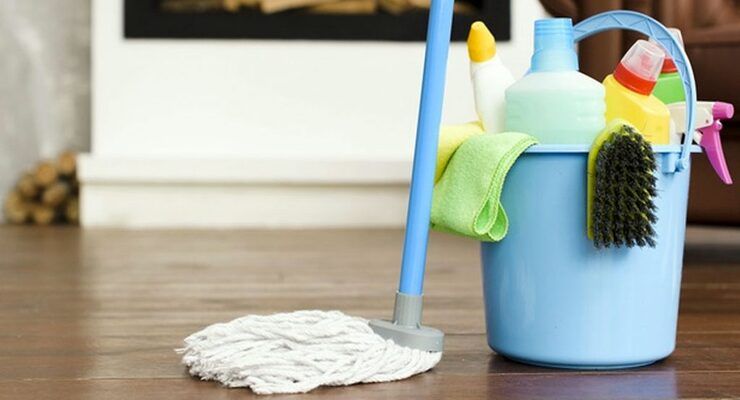
Another natural remedy that works is tea tree oil, which has incredible antibacterial properties: it is able to eliminate bad odors and clean the mop thoroughly. Simply fill a container with warm water , the juice of 2 lemons, then add a few drops of tea tree oil and leave the rags and mop to soak for half an hour. Finally, rinse them, the result is fabulous . What all these remedies have in common is that the cost is zero or almost zero. They are all super convenient remedies, which do not cause damage, do not ruin the floor if not rinsed properly, in short, they have no drawbacks.