Prep Time: 15 minutes
Cook Time: 45-55 minutes
Total Time: 1 hour 10 minutes (includes cooling time)
Servings: 4
Description
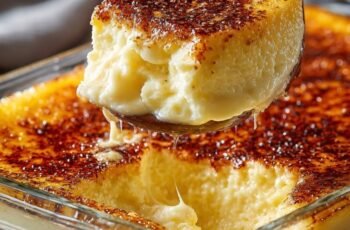
There are some desserts that don’t need a fancy introduction. They are the flavors of childhood, the comfort on a cool evening, the simple elegance of a bygone era. This Old-Fashioned Vanilla Baked Custard is precisely that. With a silky, creamy texture and a top gently spiced with nutmeg, it’s a dessert that feels both humble and luxurious.
Unlike stirred custards (like crème anglaise) or starch-thickened puddings, baked custard relies on the gentle action of eggs to set the milk into a tender, quivering, spoonable perfection. This recipe is foolproof, resulting in a smooth custard every time, thanks to the crucial step of a water bath. Serve it warm from the oven or chilled—either way, it’s pure, timeless bliss.
Why You’ll Love This Recipe
Simple Ingredients: You likely have everything you need in your kitchen right now.
Incredibly Comforting: It’s the ultimate feel-good dessert—warm, creamy, and gently spiced.
Make-Ahead Friendly: It’s delicious served cold, making it perfect for preparing in advance for a dinner party.
Dietary Adaptable: Easily made with low-fat or plant-based milks (see notes).
Ingredients
2 large eggs
1/3 cup (65g) granulated sugar
1/4 teaspoon salt
2 cups (480 ml) whole milk (see notes for alternatives)
1 1/2 teaspoons pure vanilla extract
Ground nutmeg, for sprinkling
Boiling water, for the water bath
Step-by-Step Instructions
Intensity: This is a Beginner-Friendly recipe. It requires patience for the water bath and gentle handling, but no advanced cooking techniques.
1. Preheat and Prepare the Dishes:
Preheat your oven to 325°F (160°C). Find a large, deep roasting pan or baking dish that will fit your four ramekins (6-8 oz capacity each) comfortably without touching. Place the ramekins inside the roasting pan. Boil a kettle or a pot of water.
2. Whisk the Base:
In a medium-sized mixing bowl, crack the 2 large eggs. Add the 1/3 cup of granulated sugar and the 1/4 teaspoon of salt. Whisk vigorously until the mixture is well combined, light in color, and slightly frothy. This should take about 1 minute. You just want the sugar to begin to dissolve and the eggs to be fully broken down.
3. Temper the Milk (The Secret to Smoothness):
Pour the 2 cups of whole milk into a microwave-safe measuring cup or a small saucepan. Heat it until it’s warm to the touch but not boiling (about 2 minutes in the microwave or over medium heat). It should feel like warm bathwater. Slowly drizzle about half of the warm milk into the egg mixture, whisking constantly as you pour. This process, called tempering, gently raises the temperature of the eggs so they don’t scramble when you add the rest of the hot milk. Once incorporated, whisk in the remaining warm milk and the 1 1/2 teaspoons of vanilla extract until everything is smooth.
4. Strain (Optional but Recommended):
For the silkiest custard, place a fine-mesh sieve over a large liquid measuring cup with a spout (or a clean bowl). Pour the custard mixture through the sieve. This will catch any accidental bits of egg white that didn’t fully incorporate, ensuring a perfectly smooth texture.
5. Fill the Ramekins:
Carefully pour the custard mixture into the four ramekins, dividing it evenly. Each ramekin should be filled almost to the top. If tiny bubbles have formed on the surface, you can gently pass the flame of a kitchen torch over them or let them sit for a minute to pop naturally.
6. Create the Water Bath:
Sprinkle the top of each custard lightly with freshly grated or ground nutmeg. Place the roasting pan with the filled ramekins on the center rack of your preheated oven. Very carefully pour the boiling water from your kettle into the roasting pan, not onto the custards. Fill the pan until the water comes about halfway up the sides of the ramekins. This water bath (bain-marie) insulates the custards, allowing them to bake gently and evenly without curdling.
7. Bake to Perfection:
Bake for 45 to 55 minutes. The custards are done when the edges are set but the centers still have a slight jiggle when you gently shake the pan. A knife inserted near the edge should come out clean; if inserted in the very center, it may still have a little custard clinging to it. The residual heat will continue to cook them as they cool.
8. Cool and Serve:
Very carefully remove the roasting pan from the oven. Use tongs or a sturdy spatula to lift the hot ramekins out of the water bath. Place them on a wire rack to cool to room temperature. Serve warm, or cover and refrigerate for at least 4 hours to serve cold.
Recipe Notes & Tips
Milk Matters: Whole milk provides the richest, creamiest result. You can use 2% milk for a slightly lighter version. For a dairy-free option, use full-fat oat milk or canned coconut milk (the custard will have a slight coconut flavor).
Don’t Overbake: The biggest enemy of custard is the oven. Overbaking will cause it to become watery or curdle. Trust the jiggle!
Flavor Variations: Swap the vanilla for 1/2 teaspoon of almond extract, or steep a cinnamon stick or a strip of lemon zest in the milk as it warms (remove before adding to the eggs).
A Blended Approach: For an ultra-smooth texture without straining, you can briefly blend the eggs, sugar, salt, and milk in a blender until frothy, then pour directly into the ramekins. This incorporates the eggs perfectly.
Nutrition Information
Please note that the following information is an estimate and can vary based on the specific brands of ingredients used and any modifications made to the recipe.
Serving Size: 1 ramekin
Nutrient Amount Per Serving
Calories 185 kcal
Total Fat 6 g
Saturated Fat 3 g
Cholesterol 110 mg
Sodium 220 mg
Total Carbohydrate 25 g
Dietary Fiber 0 g
Sugars 24 g
Protein 8 g
Calcium 170 mg