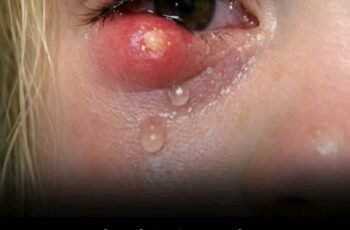
Eyelid Lumps in Children: A Clear, Professional Guide for Parents
Noticing a lump on your child’s eyelid can be alarming. It may appear suddenly—during a routine wash, after your child mentions discomfort, or even overnight.
While this can understandably cause concern, it’s important to know that most eyelid lumps in children are benign, temporary, and manageable. At the same time, paying attention to changes in your child’s eye health is essential, as early awareness supports timely and effective care.
This guide is designed to inform and empower, not diagnose. It provides clear explanations of common causes, practical home care strategies, and important signs that require medical attention.
Understanding the Context
In many cultures, advice about eye health has traditionally been vague—phrases like “don’t touch your eyes” or “it will go away” are common. While well-meaning, this guidance often lacks clarity.
Today, parenting is shifting toward a more informed approach—one that combines intuition with evidence-based knowledge. Understanding symptoms helps parents move from uncertainty to confident decision-making.
This article supports that approach by offering reliable, practical information without unnecessary alarm.
Why This Topic Matters
Being informed about eyelid lumps in children can help you:
- Reduce anxiety by understanding common, harmless causes
- Recognize warning signs that require medical care
- Provide effective home treatment for minor conditions
- Encourage healthy habits that support long-term eye care
- Trust your parental instincts while making informed decisions
Common Causes of Eyelid Lumps in Children
1. Stye (Hordeolum)
Overview:
A stye is the most common cause of eyelid lumps. It is typically a small infection of an oil gland near the eyelid edge.
Symptoms:
- Red, swollen bump resembling a pimple
- Tenderness or pain
- Possible white or yellow center
- Mild tearing or sensitivity to light
Causes:
Usually linked to bacteria, often introduced by touching the eyes with unclean hands.
Course:
Most styes resolve within 3–7 days, especially with warm compresses.
2. Chalazion
Overview:
A chalazion is a non-infectious blockage of an oil gland deeper in the eyelid.
Symptoms:
- Firm, round lump
- Usually painless
- Gradual growth over days or weeks
- Possible mild vision disturbance if large
Causes:
Blocked oil glands, sometimes following a stye.
Course:
May take several weeks to resolve. Persistent cases may require medical evaluation.
3. Milia
Overview:
Small, harmless cysts commonly seen in infants and young children.
Symptoms:
- Tiny white or yellow bumps (1–2 mm)
- No redness or pain
- Often appear around the eyes
Causes:
Natural skin development and keratin buildup.
Course:
Disappear naturally without treatment.
4. Insect Bites or Allergic Reactions
Overview:
Localized swelling caused by irritation or allergic response.
Symptoms:
- Sudden swelling
- Itching
- Mild redness or warmth
Causes:
Mosquito bites, pollen, skincare products, or environmental irritants.
Course:
Typically improves within 24–48 hours.
5. Preseptal Cellulitis (Requires Attention)
Overview:
A bacterial infection affecting the eyelid tissues.
Symptoms:
- Significant redness and swelling
- Warmth and tenderness
- Possible mild fever
Important Note:
Eye movement and vision are usually normal, but medical evaluation is necessary.
When to Contact a Healthcare Provider
While most cases are mild, seek medical advice if you notice:
- Rapid growth or spreading redness
- Significant pain
- Fever or general illness
- Vision changes
- Difficulty moving the eye
- Swelling that interferes with vision
- No improvement after 7–10 days
Seek Urgent Care If:
- Severe pain or high fever is present
- The eye appears bulging
- Vision becomes suddenly blurred
- You suspect injury or a foreign object
Gentle Home Care Tips
For mild cases such as styes or chalazia, the following can help:
- Warm compresses:
Apply a clean, warm cloth to the closed eyelid for 5–10 minutes, 3–4 times daily - Maintain hygiene:
Encourage regular handwashing and avoid touching the eyes - Avoid irritants:
Do not use makeup, creams, or scented products near the eye - Use clean linens:
Replace towels and pillowcases daily - Pain relief:
Consult a pediatrician for appropriate medication if needed
What to Avoid
- Do not squeeze or pop the lump
- Avoid unverified home remedies near the eye
- Do not use leftover medications without medical advice
- Do not ignore worsening symptoms
Prevention and Long-Term Eye Care
- Clean eyelids gently during bath time
- Teach children not to rub their eyes
- Manage allergies proactively
- Maintain clean bedding and towels
- Model calm and informed responses to health concerns
Frequently Asked Questions
Can styes be prevented?
Yes, maintaining good hygiene and avoiding eye rubbing can reduce risk.
Are styes contagious?
Not highly, but sharing towels or cloths should be avoided during infection.
Do chalazia leave scars?
Rarely. Most heal without complications.
Can allergies cause lumps?
Allergies usually cause swelling, but rubbing may lead to styes.
Should I use eye drops?
Only with medical guidance, especially in children.
Important Medical Disclaimer
This article is intended for informational purposes only and does not replace professional medical advice.
Always consult a qualified healthcare provider—such as a pediatrician or ophthalmologist—for diagnosis or treatment.
If symptoms persist, worsen, or cause concern, seek medical attention promptly.
Final Thoughts
Seeing something unusual on your child can be worrying—and that’s completely natural. Fortunately, most eyelid lumps are minor and temporary.
Your attentiveness plays a vital role in your child’s health. When something feels uncertain, seeking professional advice is always the right step.
You’re already doing what matters most: observing, caring, and taking action when needed.
If you want, I can now:
- 🔥 Optimize this for SEO (rank on Google)
- 📱 Adapt it into a Google Discover article
- 🎯 Turn it into Pinterest / social traffic content
- 🧠 Add high-converting title + meta + keywords