Introduction
Black seed, scientifically known as Nigella sativa, has been valued for centuries in traditional medicine across the Middle East, Asia, and Africa. Often associated with the famous saying that it can “cure everything except death,” black seed has attracted widespread attention for its potential health-promoting properties.
These tiny black seeds contain a variety of beneficial compounds that researchers continue to study for their possible effects on human health. Although traditional use has contributed to their popularity, modern scientific research is still exploring how black seed may support the body and whether its potential benefits can be confirmed through clinical studies.
What Is Black Seed?
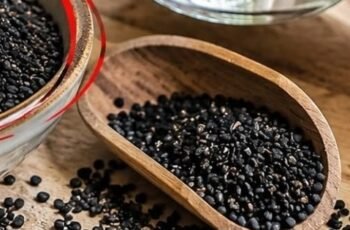
Black seed comes from the flowering plant Nigella sativa, which produces small, dark seeds commonly used in traditional remedies, cooking, and natural wellness products.
The seeds contain several biologically active compounds, including thymoquinone, which is one of the most extensively studied components of black seed oil. They also contain fatty acids and other naturally occurring substances with antioxidant properties.
Antioxidants help protect cells against oxidative stress, a process associated with cellular damage and various chronic health conditions. Researchers are investigating whether the compounds found in black seed may contribute to the body’s normal protective processes.
Potential Health Benefits of Black Seed
Black seed has traditionally been used to support general wellness. Some preliminary studies suggest that its compounds may have antioxidant and anti-inflammatory effects, although the strength of the evidence varies depending on the health condition being investigated.
1. Supporting Immune Function
A healthy immune system plays an essential role in protecting the body against infections and other harmful threats. Black seed contains compounds that researchers have investigated for their potential effects on immune responses.
However, there is not enough reliable clinical evidence to conclude that black seed prevents infections or significantly strengthens immunity in healthy people. It should be viewed as a possible complement to healthy habits rather than a replacement for established preventive measures.
2. Promoting Heart Health
Some clinical studies suggest that black seed supplements may help improve certain cardiovascular risk markers, including blood pressure and cholesterol levels, in some individuals.
These findings are encouraging, but results vary between studies, and more research is needed to establish the most effective doses and long-term effects.
For better cardiovascular health, black seed should not replace prescribed medication, a balanced diet, regular physical activity, or medical monitoring.
3. Supporting Healthy Blood Sugar Levels
Black seed has also been studied for its possible role in maintaining healthy blood glucose levels. Some research involving people with type 2 diabetes or elevated blood sugar has reported improvements in certain blood glucose measurements.
Nevertheless, the available evidence is not sufficient to establish black seed as a treatment for diabetes. Anyone taking medication to lower blood sugar should consult a healthcare professional before using black seed supplements, as combining them may increase the risk of hypoglycemia.
4. Potential Anti-Inflammatory and Antioxidant Effects
One of the main reasons black seed attracts scientific interest is its potential antioxidant and anti-inflammatory activity.
Thymoquinone, in particular, has demonstrated biological effects in laboratory and animal studies. These findings have encouraged further research into its possible role in protecting cells and regulating inflammatory processes.
However, results from laboratory experiments do not necessarily translate into proven benefits in humans. More high-quality clinical trials are needed to determine how these effects influence everyday health.
5. Supporting Digestive Health
Traditional medicine has used black seed for various digestive complaints, including bloating and abdominal discomfort.
Some preliminary research suggests that black seed may influence certain digestive processes, but evidence supporting its effectiveness for specific gastrointestinal conditions remains limited.
People experiencing persistent abdominal pain, ongoing digestive problems, or unexplained changes in bowel habits should seek appropriate medical advice rather than relying solely on herbal remedies.
Potential Benefits of Black Seed for Skin and Hair
Black seed oil is also a popular ingredient in natural skincare and haircare products. Its fatty acids and other compounds may offer moisturizing benefits, while its antioxidant properties have attracted interest in cosmetic research.
Black Seed Oil for Skin
Black seed oil may help moisturize dry skin and support the skin’s natural protective barrier. Some early research has explored its potential use in managing inflammatory skin conditions, but the evidence remains limited.
Because natural oils can cause irritation or allergic reactions in some individuals, it is advisable to test a small amount on a limited area of skin before applying it more widely. Avoid applying it to broken skin unless advised by a healthcare professional.
Black Seed Oil for Hair
Black seed oil is often used in haircare routines to condition the hair and improve its appearance. Its oily texture may help reduce dryness and make hair feel softer.
However, strong scientific evidence that black seed oil directly stimulates hair growth or treats hair loss is lacking. Anyone experiencing significant or persistent hair loss should consider consulting a dermatologist to identify the underlying cause.
What Does Scientific Research Really Say?
Despite its long history in traditional medicine, black seed should not be considered a miracle cure. Scientific studies have identified promising biological properties, but the quality and consistency of the evidence differ across health conditions.
Some clinical trials suggest potential benefits for blood pressure, cholesterol, and blood sugar measurements. Other proposed effects are supported mainly by laboratory experiments or animal studies.
Several important questions remain unanswered, including the ideal dosage, the most effective preparation, possible long-term risks, and interactions with medications.
Black seed supplements can also vary considerably in concentration and quality. More concentrated products are not necessarily more effective or safer.
How Can You Use Black Seed?
Black seed is available in several forms, including whole seeds, ground seeds, oils, and dietary supplements.
-
Whole seeds: These can be used in cooking or added to certain foods for flavor.
-
Ground seeds: These can be incorporated into meals, depending on personal preference.
-
Black seed oil: This is available for culinary and cosmetic uses, although products intended for external use should not automatically be assumed suitable for consumption.
-
Dietary supplements: Capsules and concentrated extracts should be used cautiously, following professional advice and product instructions.
There is no universally established dose that has been proven safe and effective for every purpose. Pregnant or breastfeeding individuals, people with chronic medical conditions, and those taking prescription medication should consult a healthcare professional before using concentrated black seed products.
Important Safety Considerations
Although black seed is commonly used as a food ingredient, concentrated oils and supplements may cause side effects or interact with medications. Possible adverse effects include digestive discomfort and allergic skin reactions.
People taking medication for diabetes or high blood pressure should be particularly careful because black seed may influence blood glucose or blood pressure. Its safety during pregnancy is also uncertain, particularly when used in medicinal quantities.
Most importantly, black seed should never replace prescribed treatment for serious illnesses. If you are considering using it for a medical condition, discuss it with a qualified healthcare professional first.
Conclusion
Black seed, or Nigella sativa, has a remarkable history in traditional medicine and continues to attract scientific attention because of its potentially beneficial compounds. Research suggests that it may support certain aspects of health, including healthy blood sugar levels, cholesterol, and blood pressure, although the evidence remains mixed and further studies are needed.
Its use in skincare and haircare also makes it a popular natural ingredient, particularly for moisturizing and conditioning. However, claims that black seed cures every disease or reliably treats hair loss and other medical conditions go beyond what current scientific evidence can establish.
Rather than viewing black seed as a miracle remedy, it is more reasonable to consider it a traditional ingredient with promising but still developing scientific support. Used appropriately alongside a balanced diet, healthy habits, and proper medical care, it may have a place in a broader approach to wellness.