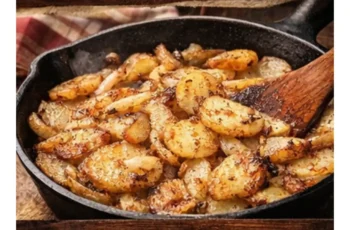
Crispy Fried Potatoes and Onions – Classic Skillet Comfort Food for Any Meal
There is something truly special about a skillet filled with golden, crispy fried potatoes and sweet, caramelized onions. This timeless comfort food combines simple ingredients, familiar flavors, and a satisfying texture that makes every bite delicious. Whether you serve it alongside eggs for breakfast, enjoy it as a hearty lunch, or pair it with roasted chicken or grilled steak for dinner, crispy fried potatoes and onions are a versatile homemade dish that never goes out of style.
Made with everyday pantry staples, this classic skillet recipe transforms humble potatoes and onions into a flavorful side dish with beautifully browned edges and tender, fluffy centers. The onions soften slowly in the skillet, releasing their natural sweetness, while the potatoes develop a golden crust that adds irresistible crunch.
Best of all, you do not need expensive ingredients, complicated techniques, or special kitchen equipment to make this recipe. With a good skillet, a little oil, fresh potatoes, and a few basic seasonings, you can prepare a delicious dish that tastes like traditional home cooking at its finest.
In this comprehensive guide, you will discover how to make perfectly crispy fried potatoes and onions, which potatoes work best, how to prevent sogginess, and the best ways to customize and serve this classic comfort food.
What Are Crispy Fried Potatoes and Onions?
Crispy fried potatoes and onions are a traditional skillet dish made by cooking sliced or diced potatoes in oil until their surfaces become golden brown and crunchy. Onions are added to provide sweetness, aroma, and extra flavor, creating a delicious combination that works with almost any meal.
Although the recipe is simple, achieving the perfect balance of crispy edges and soft centers requires a few important techniques. The potatoes need enough space in the skillet to brown properly, the heat must be controlled carefully, and the onions should be added at the right time to prevent them from burning.
This dish is popular in many home kitchens because it is inexpensive, filling, and easy to adapt. Some cooks prefer thin potato slices with extra-crispy edges, while others enjoy small cubes with fluffy interiors. You can also add garlic, paprika, black pepper, fresh herbs, or even a little butter toward the end of cooking.
The beauty of this recipe lies in its simplicity. Potatoes provide the hearty foundation, onions bring natural sweetness, and seasoning enhances the ingredients without overpowering their original flavors.
Why You Will Love This Crispy Fried Potatoes and Onions Recipe
There are plenty of reasons to make this recipe part of your regular meal rotation.
1. Simple, affordable ingredients
You only need a handful of common ingredients to create a flavorful dish. Potatoes, onions, cooking oil, salt, and pepper form the foundation, while optional seasonings let you customize the flavor.
2. Perfectly crispy texture
When prepared correctly, the potatoes develop golden-brown edges while remaining soft and tender inside. This contrast in texture makes every bite satisfying.
3. Sweet, savory onion flavor
As onions cook, they become soft and fragrant, adding a naturally sweet flavor that complements the earthy taste of potatoes.
4. Suitable for breakfast, lunch, or dinner
Serve these skillet potatoes with scrambled eggs in the morning, a sandwich at lunchtime, or grilled meat and vegetables for dinner.
5. Easy to customize
You can add smoked paprika, garlic, rosemary, thyme, cayenne pepper, bell peppers, or fresh parsley to create different variations.
6. Beginner-friendly preparation
Even if you are new to cooking, this recipe is easy to follow. The most important steps involve cutting the potatoes evenly, managing the heat, and allowing them enough time to brown.
7. Naturally vegetarian and dairy-free
When prepared with vegetable oil and without butter, this recipe is suitable for vegetarian and dairy-free eating preferences.
Ingredients for Crispy Fried Potatoes and Onions
The following ingredients make approximately four servings as a side dish.
Ingredients Table
| Ingredient | Quantity | Purpose |
|---|---|---|
| Potatoes | 2 pounds (900 g) | The main ingredient |
| Yellow onions | 2 medium | Add sweetness and flavor |
| Vegetable oil | 3 tablespoons | Helps potatoes brown and crisp |
| Unsalted butter | 1 tablespoon, optional | Adds richness and flavor |
| Garlic | 2 cloves, minced | Adds savory depth |
| Salt | 1 teaspoon, or to taste | Enhances the natural flavors |
| Black pepper | 1/2 teaspoon | Adds mild heat and seasoning |
| Paprika | 1/2 teaspoon, optional | Adds color and a smoky note |
| Fresh parsley | 1 tablespoon, chopped | Adds freshness and color |
Choosing the Best Potatoes
The type of potato you choose can make a noticeable difference in the finished dish.
Russet potatoes are an excellent choice if you prefer crispy, golden edges and fluffy interiors. Their relatively high starch content helps create a satisfying texture when they are cooked properly.
Yukon Gold potatoes offer a naturally buttery flavor and a creamy center. They hold their shape well and produce a delicious balance between crispness and tenderness.
Red potatoes have a firmer texture and tend to maintain their shape during cooking. They are a good option if you prefer skillet potatoes with clearly defined slices or chunks rather than softer, fluffier pieces.
For the best results, select firm potatoes without green patches, extensive bruising, or soft spots.
Which Onions Should You Use?
Yellow onions are particularly suitable for this recipe because their flavor becomes sweeter and more mellow as they cook.
White onions offer a sharper flavor, while red onions provide a slightly sweeter taste and a colorful appearance. Sweet onions are another excellent option if you enjoy a milder, more pronounced sweetness.
Regardless of the variety, slice the onions evenly so they cook at a consistent rate.
Essential Equipment
You do not need a complicated collection of kitchen tools to prepare this recipe.
- A large, heavy-bottomed skillet or cast-iron pan.
- A sharp kitchen knife.
- A cutting board.
- A spatula or wooden spoon.
- A clean kitchen towel or paper towels.
- A plate for temporarily holding the cooked potatoes, if necessary.
A cast-iron skillet is especially useful because it retains heat well and encourages even browning. However, a stainless-steel or heavy nonstick skillet can also produce excellent results when used correctly.
The most important consideration is the size of the pan. A large skillet gives moisture a chance to evaporate and allows the potatoes to brown instead of steaming.
How to Make Crispy Fried Potatoes and Onions
Follow these steps to create a flavorful skillet of golden potatoes and tender, caramelized onions.
Step 1: Wash, Peel, and Cut the Potatoes
Begin by washing the potatoes thoroughly under running water to remove dirt and debris. Peel them if you prefer a smoother texture, or leave the skins on for a more rustic dish.
Cut the potatoes into evenly sized slices or cubes.
For thin, crispy potatoes, aim for slices approximately 1/4 inch thick. If you prefer diced potatoes, cut them into cubes roughly 1/2 inch in size.
Consistent sizing is essential because smaller pieces cook faster than larger ones. When the pieces are similar in size, they brown more evenly and finish cooking at approximately the same time.
Step 2: Remove Excess Starch and Moisture
If you are using starchy potatoes such as Russets, consider rinsing the cut pieces under cold water to remove some of the surface starch.
This extra step can help reduce sticking and encourage a cleaner, crispier exterior.
After rinsing, dry the potatoes thoroughly with a clean kitchen towel or paper towels. This step is especially important because excess surface moisture interferes with browning and can cause hot oil to splatter.
For an even more reliable result, spread the dried potatoes on a clean towel while you prepare the onions.
Step 3: Slice the Onions
Peel the onions, cut them in half, and slice them into thin strips.
Try to keep the slices relatively uniform. Thin onions soften more quickly and blend naturally with the potatoes, while thicker slices retain a little more texture.
Set the onions aside until the potatoes have begun to brown.
Step 4: Heat the Skillet
Place a large skillet over medium-high heat and allow it to warm for a minute or two.
Add the vegetable oil and swirl it around the pan to coat the bottom.
The oil should become hot enough to cook the potatoes immediately without smoking. If the pan is too cool, the potatoes may absorb more oil and become greasy. If the heat is excessively high, the outside can burn before the centers become tender.
A steady medium-high temperature is a good starting point, although you may need to adjust it depending on your stove and skillet.
Step 5: Add the Potatoes in a Single Layer
Carefully add the dried potatoes to the hot skillet.
Whenever possible, arrange them in a single layer with a little space between the pieces. If your skillet is too small to accommodate all the potatoes without crowding, cook them in two batches.
Allow the potatoes to cook undisturbed for approximately 4–6 minutes.
This is one of the most important steps in the recipe. Moving the potatoes too frequently prevents a good crust from forming. Giving them time to remain in contact with the hot skillet allows the surfaces to develop a deep golden color.
After the first side has browned, use a spatula to turn the potatoes gently.
Step 6: Continue Cooking Until Golden
Continue frying the potatoes for another 8–12 minutes, turning them occasionally so different sides can brown.
The exact cooking time depends on the thickness of the pieces, the variety of potato, and the temperature of your skillet.
If the potatoes are browning too quickly but remain firm in the center, reduce the heat slightly. If they look pale and soft, increase the heat a little and make sure the pan is not overcrowded.
Avoid covering the skillet for the entire cooking process because trapped steam can soften the crispy surfaces.
The potatoes should gradually become golden brown outside and tender inside.
Step 7: Add the Onions
Once the potatoes have started to brown and are becoming tender, add the sliced onions.
Stir gently to distribute the onions throughout the skillet, then allow everything to cook together for approximately 6–8 minutes.
The onions will soften, become fragrant, and develop a lightly caramelized flavor. Their natural sweetness complements the savory potatoes beautifully.
If the onions begin to brown too quickly, reduce the heat to medium. You want them soft and golden rather than dark and burnt.
Stir occasionally, but avoid constant movement. The potatoes still need enough uninterrupted contact with the skillet to maintain their crispness.
Step 8: Add the Garlic and Seasonings
When the potatoes are nearly cooked and the onions are tender, add the minced garlic, salt, black pepper, and paprika, if using.
Stir everything together and cook for another 30–60 seconds, or just until the garlic becomes fragrant.
Adding garlic near the end helps prevent it from burning and becoming bitter.
If you want a richer flavor, add a tablespoon of butter at this stage and allow it to melt over the potatoes. Toss gently to coat the ingredients.
Taste a potato and adjust the salt or pepper as needed.
Step 9: Check for Doneness
Test one of the larger potato pieces with a fork. It should be tender all the way through, without a hard or crunchy center.
The outside should be golden brown, with crisp edges and a satisfying texture.
If the potatoes need more time, continue cooking over medium heat for a few additional minutes. If they are tender but not sufficiently crispy, increase the heat slightly and let them brown briefly, watching carefully to prevent burning.
Step 10: Garnish and Serve
Remove the skillet from the heat and sprinkle the potatoes with freshly chopped parsley, if desired.
Serve immediately while the potatoes are hot and their edges are at their crispiest.
These fried potatoes and onions are delicious on their own, but they become even more satisfying when served with eggs, grilled meat, roasted vegetables, or your favorite dipping sauce.
The Secret to Perfectly Crispy Fried Potatoes
Making fried potatoes that are crispy instead of soft is easier when you understand a few basic cooking principles.
1. Dry the Potatoes Thoroughly
Water on the surface of potatoes creates steam and interferes with browning. After washing or rinsing, always dry the pieces carefully before adding them to the hot skillet.
This simple habit can make a significant difference in the final texture.
2. Avoid Overcrowding the Pan
When too many potatoes are packed into one skillet, they release moisture into a confined space. Instead of frying, they begin to steam.
Use the largest skillet available or cook in batches. A little extra cooking time is worthwhile if it means achieving a better crust.
3. Use Enough Oil
Potatoes need sufficient oil to make good contact with the skillet and develop an evenly browned surface.
Three tablespoons is a useful starting point for two pounds of potatoes, but you may need a little more or less depending on the pan and the cooking method.
The goal is to coat the potatoes lightly rather than leave them swimming in oil.
4. Resist the Urge to Stir Constantly
Patience is essential.
Allow the potatoes to brown for several minutes before turning them. If you move them too often, the surfaces may not have enough time to form a crust.
Turn them gently with a spatula instead of aggressively tossing them throughout the entire cooking process.
5. Add the Onions at the Right Time
Onions contain moisture and cook faster than many potato pieces. Adding them too early can release excess liquid and make the potatoes softer.
Wait until the potatoes have developed some color before adding the onions. This approach helps preserve the potatoes’ crispy exterior while allowing the onions to become tender.
6. Control the Heat
High heat encourages browning, but excessively high temperatures can burn the potatoes before their centers are cooked.
Begin at medium-high heat, then adjust as needed. Lower the temperature if the onions or garlic begin to darken too quickly.
7. Serve Immediately
Freshly fried potatoes are at their best straight from the skillet.
As they cool, moisture can soften the crust. If you need to prepare multiple batches, keep the finished potatoes warm in a low oven on a baking sheet rather than covering them tightly.
Should You Boil Potatoes Before Frying?
Boiling potatoes before frying is optional. Both methods can produce delicious results, but they offer slightly different textures.
Without boiling: Raw potatoes can be fried directly in the skillet. This method is straightforward and creates a traditional home-style dish, although the potatoes need enough time to cook through.
With parboiling: Briefly boiling the potato pieces before frying can help soften their centers and shorten the time required in the skillet. Once drained and dried thoroughly, the potatoes can develop a crisp exterior while remaining fluffy inside.
If you choose to parboil, simmer the potato pieces until they are just beginning to soften, not falling apart. Drain them carefully and allow excess steam to escape before frying.
For this recipe, cooking directly in the skillet is the easiest approach. Parboiling is a useful alternative when you want especially fluffy interiors or need to reduce the final frying time.
Delicious Variations to Try
One of the best things about crispy fried potatoes and onions is how easily you can adapt the recipe to suit your preferences.
Garlic and Herb Fried Potatoes
For a fragrant, savory variation, add extra garlic and finish the dish with fresh rosemary, thyme, or parsley.
Fresh herbs are best added toward the end of cooking so their flavor remains vibrant. If using dried herbs, add a small amount during the final few minutes.
This version pairs particularly well with roasted chicken, grilled fish, and sautéed vegetables.
Smoky Paprika Potatoes
Add smoked paprika, black pepper, and a small pinch of cayenne pepper for a more robust flavor.
The paprika gives the potatoes a warm, smoky taste and enhances their golden appearance. Cayenne adds a little heat, so adjust the quantity according to your preference.
Serve these potatoes with burgers, grilled sausages, or sandwiches.
Fried Potatoes with Bell Peppers
Slice one bell pepper into thin strips and add it to the skillet after the potatoes have begun to brown.
Red and yellow peppers provide sweetness and color, while green peppers offer a slightly sharper flavor.
Cook until the peppers soften but retain some texture. This variation creates a colorful skillet dish that works well for breakfast or lunch.
Cheesy Fried Potatoes and Onions
If you enjoy rich, comforting flavors, sprinkle shredded cheddar cheese over the potatoes during the final minute of cooking.
Turn off the heat and allow the residual warmth to melt the cheese. You can also add a little Parmesan for a savory finish.
For the crispiest potatoes, use cheese sparingly and avoid adding it too early.
Bacon and Onion Fried Potatoes
Cook a small amount of diced bacon in the skillet until crisp, then remove it and reserve it for later.
Use some of the rendered fat to cook the potatoes, adding a little vegetable oil if necessary. Once the potatoes are browned and the onions are tender, return the bacon to the pan and stir everything together.
Because bacon can be salty, taste the dish before adding extra salt.
Spicy Skillet Potatoes
For a spicy variation, season the potatoes with paprika, cayenne pepper, black pepper, and a small pinch of chili powder.
Add the seasonings near the end of cooking to prevent them from burning. Serve with a cooling yogurt-based sauce or alongside grilled vegetables.
Southern-Style Home Fries
Cut the potatoes into small cubes and cook them with yellow onions, black pepper, and paprika.
For additional flavor, add a little garlic powder and finish with chopped green onions.
This variation resembles classic American home fries and is particularly delicious alongside eggs, toast, and breakfast sausage.
Mediterranean-Inspired Potatoes
Add sliced red onion, dried oregano, garlic, and a little lemon zest. Finish with fresh parsley and, if desired, a light sprinkle of crumbled feta.
This variation offers a brighter flavor profile and pairs nicely with grilled chicken, fish, or a fresh tomato salad.
What to Serve with Crispy Fried Potatoes and Onions
These skillet potatoes are versatile enough to complement a wide variety of meals.
Breakfast Ideas
Serve them with scrambled eggs, fried eggs, omelets, or poached eggs for a satisfying breakfast.
They also work beautifully with toast, grilled tomatoes, mushrooms, and breakfast sausages.
For a simple weekend brunch, place the potatoes on a large serving platter and top them with fried eggs and freshly chopped parsley.
Lunch Pairings
For lunch, pair the potatoes with grilled chicken sandwiches, vegetable wraps, tuna sandwiches, or a fresh green salad.
Their crispy texture contrasts nicely with soft bread, fresh vegetables, and creamy dressings.
You can also serve them as part of a hearty vegetarian plate with sautéed mushrooms and roasted peppers.
Dinner Pairings
At dinner, crispy fried potatoes and onions make an excellent side dish for grilled steak, roasted chicken, pork chops, baked fish, or homemade meatballs.
They are equally delicious alongside roasted carrots, green beans, broccoli, or a simple cabbage salad.
If you are serving a rich main course, a fresh salad with a light vinaigrette can balance the meal.
Sauces and Dips
Although these potatoes taste wonderful on their own, a dipping sauce can make them even more enjoyable.
Consider serving them with:
- Garlic mayonnaise.
- Tomato ketchup.
- Sour cream and chives.
- Ranch dressing.
- Spicy mayonnaise.
- Garlic yogurt sauce.
- Homemade herb dip.
Choose a sauce that complements your main course without overpowering the potatoes and onions.
Common Mistakes to Avoid
Even a simple skillet recipe can produce disappointing results if a few important details are overlooked.
Cutting the Potatoes Unevenly
Large pieces take longer to cook than small pieces. When the sizes vary considerably, the smaller pieces may burn before the larger ones become tender.
Cut the potatoes into similar-sized slices or cubes to encourage even cooking.
Starting with a Cold Skillet
Adding potatoes before the oil is hot enough can result in pale, greasy potatoes.
Allow the skillet to warm before adding the oil and potatoes. The oil should be hot but not smoking.
Using Too Much Heat
Excessive heat can brown the exterior too quickly while leaving the centers undercooked. It can also burn the onions and garlic.
Adjust the temperature throughout cooking and give the potatoes enough time to soften.
Adding Salt Too Early
Salt draws moisture toward the surface of foods. Although seasoning throughout cooking is not inherently wrong, salting the potatoes near the end can help you manage their surface moisture and final crispness.
You should still season to taste, but avoid adding excessive salt at the beginning.
Covering the Skillet
A lid traps steam, which can soften the potatoes instead of allowing their surfaces to remain crisp.
For a crispy result, cook uncovered. If the potato centers need extra time, reduce the heat and continue cooking carefully rather than covering the pan for an extended period.
Adding Garlic Too Soon
Finely chopped garlic can burn quickly in a hot skillet, developing a bitter flavor.
Add it during the final minute or so of cooking, once the potatoes and onions are almost ready.
Leaving the Cooked Potatoes in a Deep Pile
If you need to hold the potatoes before serving, avoid placing them in a deep, tightly covered bowl. Trapped heat and moisture can soften the crispy edges.
Spread them in a single layer on a baking sheet and keep them warm in a low oven for a short period.
Storage and Reheating Instructions
Although crispy fried potatoes and onions taste best immediately after cooking, you can store leftovers for later.
How to Store Leftovers
Allow the potatoes to cool promptly, then transfer them to an airtight container and refrigerate within two hours of cooking.
For best quality and food safety, consume refrigerated leftovers within three to four days.
Do not leave cooked potatoes sitting at room temperature for extended periods.
How to Reheat in a Skillet
A skillet is one of the best ways to restore the original texture.
Heat a nonstick or cast-iron pan over medium heat and add a small amount of oil if needed. Spread the leftover potatoes in a single layer and cook for several minutes, turning occasionally.
Allow the surfaces to become hot and lightly crisp before serving.
How to Reheat in the Oven
Preheat your oven to 400°F (200°C).
Spread the potatoes in a single layer on a baking sheet and heat until thoroughly hot, usually around 8–15 minutes depending on their size and quantity.
Avoid covering the potatoes with foil if you want their surfaces to crisp.
How to Reheat in an Air Fryer
Preheat your air fryer to approximately 375°F (190°C).
Place the potatoes in the basket in a relatively even layer and cook for about 3–6 minutes, shaking the basket halfway through. Larger portions may require additional time.
Check that the potatoes are heated thoroughly before serving.
Can You Freeze Fried Potatoes and Onions?
Freezing is possible, but the texture may change after thawing. The potatoes can become softer or slightly grainy, and the onions may lose some of their original texture.
If you choose to freeze leftovers, cool them promptly, package them in a freezer-safe container, and label the date. For the best quality, use them within approximately two to three months.
Reheat directly from frozen when practical, using an oven or air fryer to encourage browning. Always ensure the potatoes are thoroughly heated.
For the best flavor and texture, however, refrigeration for a few days is generally preferable to freezing.
Frequently Asked Questions
1. Why Are My Fried Potatoes Not Crispy?
The most common causes are excess moisture, an overcrowded skillet, insufficient heat, and moving the potatoes too frequently.
Dry the potato pieces thoroughly, use a large skillet, and allow the surfaces to brown before turning them. Cooking in batches is especially helpful when preparing a large quantity.
2. Should I Peel Potatoes Before Frying Them?
No. Peeling is optional.
Leaving the skins on creates a rustic appearance and adds texture. Just wash the potatoes thoroughly and remove any damaged areas. If you prefer a smoother texture, peel them before cutting.
3. Which Oil Is Best for Fried Potatoes and Onions?
Neutral oils with suitable heat tolerance, such as canola, sunflower, or vegetable oil, work well.
Olive oil can also be used, particularly over moderate heat. Avoid allowing any oil to smoke, and choose an oil that suits your preferred flavor.
4. Can I Make Fried Potatoes and Onions Without Butter?
Absolutely. The recipe works well with vegetable oil alone.
Butter is optional and adds richness, but it is not necessary for achieving crispy potatoes. For a dairy-free version, simply leave it out.
5. When Should I Add the Onions?
Add the onions after the potatoes have begun to brown and are partially cooked.
This timing allows the potatoes to develop a crust before the onions release their moisture. It also helps prevent the onions from becoming overly dark before the potatoes are tender.
6. How Long Does This Recipe Take?
Preparation generally takes around 10–15 minutes, depending on how quickly you wash and cut the ingredients.
Cooking typically takes 20–30 minutes. Allow a little extra time if your potatoes are thickly cut or if you need to cook them in batches.
7. Can I Use Frozen Potatoes?
Yes, although the result depends on the type of frozen potatoes you use.
Frozen diced potatoes or home fries can be convenient, but follow the package directions and avoid overcrowding the skillet. Because frozen products may release moisture, they may require additional cooking time to become crisp.
8. Can I Prepare This Recipe Ahead of Time?
You can wash, cut, and dry the potatoes shortly before cooking. If you need to hold cut potatoes for longer, keep them submerged in cold water in the refrigerator to prevent discoloration, then drain and dry them thoroughly before frying.
For the best results, cook the dish shortly before serving. If preparing it ahead, reheat the potatoes in a skillet or air fryer to restore some of their crispness.
9. Are Fried Potatoes and Onions Healthy?
Potatoes provide carbohydrates, potassium, and other nutrients. Onions contribute flavor and small amounts of vitamins, minerals, and plant compounds.
The overall nutritional profile depends on portion size, the amount of oil used, and any additions such as butter, bacon, or cheese.
For a lighter preparation, use a measured amount of oil, avoid excessive salt, and serve the potatoes with vegetables and a source of protein.
10. Can I Make This Recipe in a Cast-Iron Skillet?
Yes. Cast iron is an excellent choice because it retains heat well and encourages browning.
Preheat the skillet gradually, use enough oil to coat the cooking surface, and avoid moving the potatoes before a crust has formed. A properly heated cast-iron skillet can produce especially delicious results.
11. What Is the Difference Between Fried Potatoes and Home Fries?
The terms often overlap.
Home fries commonly feature diced or cubed potatoes cooked in a skillet, frequently with onions and seasonings. Fried potatoes can also refer to thinly sliced potatoes cooked until crisp.
Both dishes rely on simple ingredients and skillet cooking, and the exact preparation varies from one household or region to another.
12. Can I Add Other Vegetables?
Yes. Bell peppers, mushrooms, zucchini, and green onions can all complement this recipe.
Because different vegetables release different amounts of moisture and cook at different rates, add them at appropriate times. For example, mushrooms should be cooked in a way that allows their moisture to evaporate, while delicate green onions are best added near the end.
Nutrition Information
The following figures are estimates for one of four side-dish servings prepared with the main ingredients, including the vegetable oil but excluding optional butter and garnishes.
| Nutrient | Estimated Amount per Serving |
|---|---|
| Calories | 280–330 |
| Carbohydrates | 40–45 g |
| Protein | 4–5 g |
| Total fat | 10–14 g |
| Fiber | 4–5 g |
| Sodium | Varies with added salt |
Actual values will vary according to the potato variety, the amount of oil absorbed during cooking, serving size, and any additional ingredients.
For a more precise nutritional estimate, calculate the quantities using the specific ingredients and brands you use.
Final Thoughts: A Classic Skillet Recipe Worth Making Again and Again
Crispy fried potatoes and onions prove that you do not need complicated ingredients or elaborate cooking techniques to create a truly satisfying homemade dish. With tender potatoes, sweet onions, a little oil, and the right seasoning, you can prepare a versatile side that fits naturally into breakfast, lunch, or dinner.
The secret is to keep the potatoes dry, give them enough room in the skillet, allow their surfaces to brown before turning them, and add the onions at the right stage of cooking. These simple techniques help you achieve the golden exterior and soft interior that make traditional skillet potatoes so appealing.
You can keep the recipe classic with just salt and pepper, or experiment with garlic, herbs, paprika, bell peppers, or melted cheese to create your own favorite version.
Serve them alongside eggs for a comforting breakfast, pair them with grilled chicken for an easy family dinner, or enjoy a generous helping with your favorite dipping sauce.
Once you master the basic technique, crispy fried potatoes and onions can become one of those reliable recipes you return to whenever you need something simple, affordable, and delicious.
If you try this Crispy Fried Potatoes and Onions recipe, share your favorite variation in the comments! Do you prefer thin, extra-crispy slices or thick, golden potato cubes? Let us know how you make this classic skillet comfort food your own.